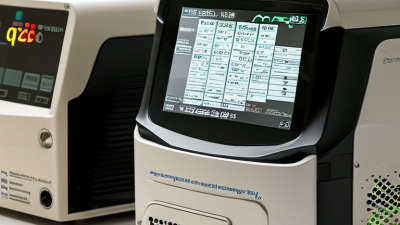
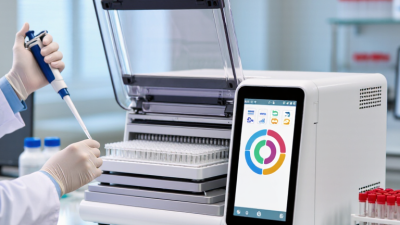
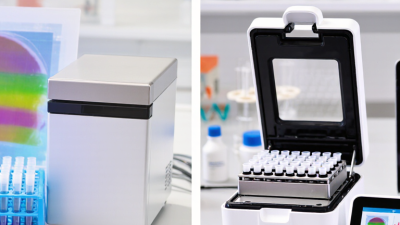
Choosing among China’s top PCR qPCR machine suppliers requires more than comparing prices, screen size, or delivery promises. A reliable decision begins with application details: sample type, expected throughput, fluorescence channels, reaction volume, and required detection sensitivity. A machine for routine pathogen screening may not suit a research laboratory measuring low-abundance gene expression. The difference can appear in one small detail, such as uneven temperature control across a 96-well plate.
Professor Stephen A. Bustin, a recognized qPCR methodology expert, has stated, “The quality of a qPCR result depends on the quality of the entire process.” This principle matters when evaluating manufacturers. Ask for instrument validation data, calibration records, optical specifications, software functions, and independent performance evidence. Do not rely only on polished brochures. Request raw amplification plots, melt curves, repeatability results, and examples using your target assays.
Supplier experience also deserves close attention. Can the technical team explain baseline settings, reference genes, inhibition problems, and PCR efficiency? Can service engineers respond quickly when a thermal block fails? These questions reveal practical competence. Certifications are useful, but they do not replace evidence from real users. A low-cost quotation may become expensive after installation, training, consumables, or delayed repairs.
There is no universally “best” pcr qpcr machine. That claim is too simple. The strongest choice matches your workflow, budget, validation needs, and local support. Compare suppliers with a written checklist. Test before committing, when possible. Even experienced laboratories can overlook software limitations or poor after-sales communication. Careful evaluation creates results that are more consistent, traceable, and defensible.
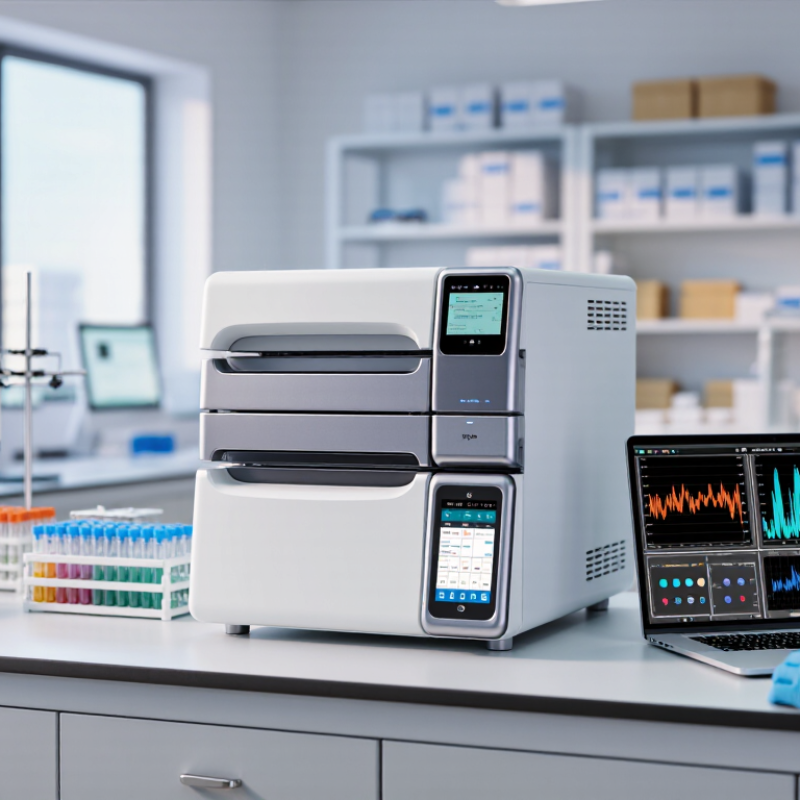
Understanding PCR and qPCR machine requirements starts with the assay, not the supplier. Conventional PCR needs reliable thermal cycling and clear end-point detection. qPCR also requires precise fluorescence measurement during every cycle. That difference affects optics, software, calibration, and operating costs. A 2024 Grand View Research analysis estimated the global PCR market at more than US$10 billion in 2023, showing strong demand but also wide equipment variation. Bigger demand does not always mean better performance.
In practical laboratory work, check temperature uniformity, ramp speed, channel compatibility, and sample capacity. For qPCR, ask for multicolor validation data and raw amplification-curve access. The instrument should support baseline settings, threshold review, melt-curve analysis, and exportable records. MIQE guidelines emphasize detailed reporting of controls, efficiency, and assay conditions. This matters when results must be reproduced by another technician.
I would not choose a machine from a polished brochure alone. Service response time, spare-part availability, warranty terms, and local technical training can decide whether a small fault becomes a week-long delay. Noise, lid pressure, and plate sealing deserve attention too.
Tips: Request a demonstration using your own plate format. Compare Ct consistency across edge and center wells. Check whether calibration certificates are supplied. Ask for service records from similar laboratories. Do not ignore software usability; tired users make avoidable mistakes. One overlooked detail can damage an otherwise careful experiment.

China’s PCR and qPCR machine supplier market is broad, but quality varies sharply.
Some suppliers operate mature factories with documented process controls. Others depend heavily on outsourced assembly and limited testing. The difference may appear only after months of daily use.
A practical assessment should begin with technical evidence, not a polished showroom.
Request verification data for temperature uniformity, ramp speed, fluorescence stability, and Ct reproducibility. Ask for calibration records from recent production batches.
A reliable supplier should explain its quality system, traceability process, and applicable certification documents clearly.
Check whether the software supports raw-data export, audit trails, and user access control. Small details matter.
Service deserves equal attention. Confirm response times, spare-part availability, installation support, and training arrangements for your destination country. Ask to inspect a working unit during a video call, including the heated lid, sample block, and software interface.
A low quotation can hide expensive consumables or weak after-sales support. That happens.
I would also compare at least three suppliers using identical technical requirements.
One common mistake is trusting sample performance without testing routine workloads. Run plates with different volumes, controls, and cycling programs when possible. No checklist is perfect. Supplier claims still require independent verification, especially when procurement decisions affect clinical, research, or production workflows.
China Top PCR qPCR Machine Suppliers: How to Choose?
When comparing qPCR machines, examine specifications beyond plate capacity. A 96-well format suits routine testing, while 384 wells improve throughput but demand stricter pipetting control. Check the temperature range, heating rate, optical channels, sample volume, and block uniformity. A fast ramp rate looks impressive, but it may not improve results when consumables vary. MIQE guidelines recommend reporting amplification efficiency between 90% and 110%, with transparent primer and control data.
Performance should be tested with real samples, not only supplier demonstrations. Request raw fluorescence files, standard curves, Cq variation, and results from low-concentration targets. An R² value near 0.99 is useful, but it cannot repair poor extraction or unstable reference genes. According to a 2024 MarketsandMarkets report, the global real-time PCR market is projected to expand at a strong compound annual growth rate through the decade, increasing pressure to compare measurable performance rather than attractive specifications.
Quality includes calibration, software stability, service response, and documentation. ISO 20395:2019 emphasizes fitness, verification, and measurement reliability for nucleic-acid testing systems. Ask whether calibration records are traceable and whether firmware changes preserve audit trails. I would also inspect a machine after repeated runs. Small temperature differences matter. One weakness in my checklist remains maintenance cost, which suppliers often describe poorly. A lower purchase price may become expensive when calibration, lamps, or technical visits are excluded.
Representative specifications for 96-well benchtop real-time PCR systems. Compare thermal performance and optical capability together, then verify the supplier’s validation data, calibration records, and software functions.
Higher ramp rates can shorten run times, while a greater number of optical channels supports multiplex assays. For quality evaluation, also check temperature uniformity, calibration interval, fluorescence sensitivity, reproducibility, contamination control, data export, and after-sales service.
When choosing a China-based PCR or qPCR machine supplier, certification should be checked carefully. Ask for current certificates, issuing bodies, covered models, and expiration dates. ISO 13485 may indicate controlled medical-device processes, while regional approvals depend on your intended market. Do not rely on certificate images alone. Verify the certificate number through the issuing organization when possible.
Technical support often determines whether a machine remains useful after installation. Request a written response-time commitment, remote troubleshooting process, and training schedule. Ask whether engineers can support calibration, software errors, optical checks, and replacement parts. A practical supplier should provide clear manuals, service records, and installation guidance. Arrange a demonstration using control samples if possible. Real performance can reveal issues that sales documents hide.
Tips: Compare warranty terms line by line. Check coverage duration, labor, shipping, calibration, software updates, and excluded consumables. Ask who pays for onsite visits and how quickly faulty parts are replaced. Also confirm whether support continues after the warranty ends. A low purchase price may become expensive without local service. Paperwork is not everything. I would still request customer references and test the supplier’s response before ordering. Suppliers may promise fast help, but actual response quality deserves independent checking.
Selecting a PCR or qPCR machine supplier in China should begin with total cost, not the unit price. A low quotation may exclude calibration, software updates, installation, or temperature verification. Request an itemized invoice covering shipping, insurance, taxes, and commissioning. Then compare the landed cost over five years. Include consumables, replacement optics, service visits, and expected downtime. Small omissions become expensive.
Risk analysis should test the supplier’s technical depth. Ask for application notes, validation records, electrical specifications, and a clear warranty scope. Confirm support for your assay volume, plate format, dye channels, and data export needs. Request sample test data from instruments used for similar workloads. Check response times with practical questions, not polished promises. A reliable supplier explains failure codes and escalation paths. Vague answers deserve a lower score.
Payment terms also affect risk. Link milestones to factory testing, inspection, shipment, and acceptance testing. Use independent inspection when the purchase is significant. Verify serial-number records and calibration certificates before final payment. Ask about spare-part availability for at least three years. No spreadsheet predicts every failure. That is the uncomfortable part. A supplier may pass document review yet struggle after installation. Keep a contingency budget, record your assumptions, and review them when lead times or service conditions change.
| Evaluation Dimension | Suggested Weight | Practical Benchmark for Comparison | Evidence to Request | Main Cost or Risk Impact |
|---|---|---|---|---|
| Instrument Purchase Price | 15% | Compare complete system quotations on the same configuration, including software, standard accessories, installation, and training. | Itemized quotation and configuration sheet. | A low headline price may exclude software licenses, shipping, calibration, or mandatory accessories. |
| Assay Cost per Test | 15% | Calculate reagent, plastic consumable, control, and repeat-test costs per reaction at the intended batch size. | Validated protocol, recommended consumables, and volume-based price list. | Recurring consumable costs can exceed the original instrument price over the operating life. |
| Throughput and Run Time | 10% | Assess sample capacity per run, usable well count, thermal cycling time, and realistic daily workload. | Demonstration run using a representative plate layout. | Insufficient capacity increases labor, scheduling delays, and cost per result. |
| Temperature Control and Optical Performance | 12% | Review temperature uniformity, ramp performance, optical channels, dynamic range, and compatibility with the intended fluorescent dyes. | Technical specifications, test report, and application data. | Poor uniformity or limited dye compatibility may reduce reproducibility and require method redevelopment. |
| Data Analysis and Software | 8% | Check standard-curve analysis, melt-curve functions, baseline settings, export formats, audit trails, and user permissions. | Software demonstration and sample data export. | Weak data handling can create review, traceability, and regulatory risks. |
| Quality Management and Traceability | 10% | Verify documented design controls, inspection procedures, calibration records, complaint handling, and change control. | Quality certificates, inspection records, and document-control procedure. | Weak traceability increases acceptance, validation, and corrective-action risk. |
| Regulatory and Export Documentation | 8% | Confirm documents required for the destination market, including product classification, labeling, electrical safety, and customs paperwork. | Declaration documents, certificates, manuals, packing list, and commercial invoice templates. | Incomplete documentation can cause customs delays or prevent local registration. |
| Installation, Training, and Validation | 8% | Compare whether installation, operator training, method transfer, IQ/OQ support, and acceptance testing are included. | Service scope, acceptance protocol, and training agenda. | Unclear responsibilities may create additional travel, service, and downtime costs. |
| Warranty and Service Response | 7% | Compare warranty duration, covered parts, remote support, response time, repair process, and service availability in the destination country. | Warranty terms, service-level agreement, and escalation contacts. | Slow support can interrupt testing and increase the effective total cost of ownership. |
| Spare Parts and Product Life Cycle | 4% | Check availability of lamps, optical components, heated-lid parts, boards, cables, and other service items. | Recommended spare-parts list and end-of-support policy. | Discontinued parts can force premature replacement of the instrument. |
| Delivery, Logistics, and Payment Risk | 3% | Evaluate lead time, Incoterms, packaging, insurance, payment milestones, import duties, and pre-shipment inspection. | Pro forma invoice, logistics plan, packaging specification, and payment schedule. | Unclear delivery terms may cause hidden freight charges, damage claims, or cash-flow exposure. |
| Total Recommended Weight | 100% | Use the same scoring scale for every shortlisted supplier and verify high-impact claims with documents or a live demonstration. | ||
Note: The weighting model is an indicative purchasing framework. Actual priorities should be adjusted according to application type, required throughput, destination-market regulations, validation requirements, and available service resources.
Visit the official SA government portal www.sacoronavirus.co.za to stay informed about latest COVID-19 updates. Dismiss