For global buyers, choosing reliable molecular testing technology is not a simple purchasing decision. It affects product quality, clinical confidence, regulatory review, and laboratory efficiency. The phrase “pcr and rt pcr” covers two closely related methods, but their purposes differ. PCR can amplify specific DNA targets, while RT-PCR begins with RNA and converts it into measurable DNA. That distinction matters when buyers evaluate infectious disease assays, genetic testing tools, food safety kits, or research reagents.
Dr. Stephen A. Bustin, a leading authority on real-time PCR, has emphasized, “qPCR is powerful, but its reliability depends on careful validation and transparent reporting.” His point remains practical. A buyer should inspect primer design, reference materials, detection limits, instrument compatibility, and lot-to-lot consistency. A clear certificate of analysis helps. So does evidence from independent validation.
Look closely at the workflow.
A dependable supplier should explain sample preparation, contamination controls, cycle thresholds, and storage conditions. These details can determine whether a faint fluorescence curve reflects a true target or a technical error. Experienced laboratories also compare sensitivity with specificity, rather than trusting one impressive performance number. No method is perfect. Even well-designed assays may struggle with inhibitors, degraded RNA, poor sampling, or unfamiliar variants.
This article examines why PCR and RT-PCR remain essential for international buyers. It considers technical performance, purchasing risk, documentation, and long-term support. The discussion also recognizes an uncomfortable reality: lower prices may hide higher verification costs. Careful buyers therefore assess the entire testing system, not merely the machine, kit, or headline specification.

PCR detects pathogens at low copy numbers, supporting high-sensitivity testing when visible signs are absent. In routine laboratory work, a small sample may contain only a few target molecules. PCR amplifies selected genetic material until instruments can measure it. This matters for food safety, water monitoring, clinical screening, and environmental surveillance. Early detection can guide faster investigation and reduce uncertainty across international supply chains.
RT-PCR adds a crucial step for targets made of RNA. The method first converts RNA into complementary DNA, then amplifies that material. Careful sample preparation remains essential. Inhibitors from soil, food, or clinical fluids can weaken amplification and produce misleading results. Good laboratories use positive controls, negative controls, and internal controls in each testing run.
Small details matter. A clean work area helps prevent contamination between samples. Proper storage protects fragile genetic material before testing. Results should be reviewed with sampling records, clinical information, and validated performance data. A low copy signal is valuable, but it is not automatically proof of active infection. No assay is perfect. Borderline results may require repeat testing or independent confirmation, especially when decisions affect shipments or public health. Experienced buyers should examine detection limits, inclusivity, exclusivity, workflow compatibility, and local regulatory expectations before selecting a testing method.
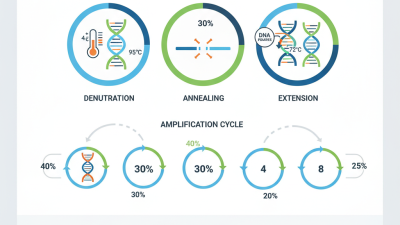
RT-PCR turns fragile RNA targets into measurable signals through one connected workflow. The process begins with RNA extraction, followed by reverse transcription into complementary DNA. PCR then amplifies the target sequence while fluorescence records the result. This design helps laboratories examine respiratory, food, environmental, and research samples with greater consistency.
For global buyers, workflow compatibility matters as much as instrument specifications. Extraction chemistry, reaction volume, thermal cycling, and detection software must work together. A small mismatch can create weak signals or confusing Ct values. Include positive, negative, and internal controls in every validated procedure. Sample transport also deserves attention. Heat exposure, delays, and repeated freezing can reduce RNA quality before testing begins. A clear technical file should explain performance limits, inclusivity, interference testing, and acceptable storage conditions.
Ask for raw validation data, not only marketing claims. Check limit of detection across realistic sample types. Confirm that operators can understand the result without guessing. A clean curve is not always a correct result. Review controls carefully. I still see purchasing teams focus on speed while overlooking extraction losses and maintenance needs. That is an avoidable weakness. Choose systems with documented protocols, traceable quality records, and practical training support. Good RT-PCR purchasing is less about buying a fast machine and more about protecting every step that creates the signal.
WHO-recommended nucleic acid amplification tests (NAATs) are reshaping tuberculosis diagnosis across global markets. The WHO Global Tuberculosis Report 2024 estimated 10.8 million tuberculosis cases in 2023. It also recorded approximately 1.25 million deaths among HIV-negative people. These figures show why rapid, reliable testing matters at district clinics, hospitals, and mobile laboratories.
PCR-based NAATs can detect Mycobacterium tuberculosis DNA directly from respiratory specimens. Results may arrive within hours, rather than weeks required for culture. WHO guidance supports molecular testing as an initial diagnostic approach, especially when symptoms, microscopy, and radiology do not provide clear answers. RT-PCR is technically different. It converts RNA into measurable DNA, making it valuable for RNA-targeted respiratory testing. For tuberculosis, DNA-targeting PCR is usually the more relevant method.
Practical procurement requires more than analytical sensitivity. Buyers should examine specimen requirements, internal controls, contamination protection, operator training, and performance under unstable electricity. A test may perform well in a controlled laboratory but struggle beside a crowded rural clinic. That gap matters. WHO implementation guidance repeatedly emphasizes quality assurance and accessible testing networks. Procurement teams should also compare maintenance schedules, reagent stability, result interpretation, and local verification data. No platform fits every market. That is an uncomfortable truth, but ignoring it can delay treatment and distort surveillance data.
For global buyers, PCR and RT-PCR procurement involves more than comparing prices or cycle times. Under ISO 13485, manufacturers need controlled processes, documented risks, traceable materials, and reliable corrective actions. These controls affect reagent consistency, instrument servicing, and batch release. A certificate alone is not enough. Buyers should check whether its scope covers the exact PCR product, manufacturing site, and intended use.
CE-IVD requirements add another layer. Under the EU IVDR, suppliers must provide evidence for safety, analytical performance, clinical performance, and post-market surveillance. Performance claims must match the intended specimen, target, user, and testing environment. Ask for the declaration of conformity, applicable certificates, instructions for use, and stability data. Keep records. Missing documents can delay customs clearance or laboratory validation.
Practical procurement reviews should examine lot numbers, expiration dates, control materials, software versions, and transport conditions. Cold-chain records matter when reagents face long international routes. A clear complaint process also shows whether a supplier can respond after delivery. No dossier is perfect. A neat document folder may still hide unclear acceptance criteria or weak change-control evidence. Buyers should question vague claims and request objective records before approving a purchase. That extra review may feel slow, but it protects testing continuity and supports defensible purchasing decisions.
PCR and RT-PCR became essential tools for global buyers during the COVID-19 response. RT-PCR helped laboratories detect viral RNA with high analytical sensitivity. Conventional PCR supported broader molecular testing and research workflows. Demand rose sharply as hospitals, airports, clinics, and public laboratories expanded testing capacity.
This surge changed medical supply chains. Buyers needed more than instruments. They required compatible reagents, extraction materials, consumables, calibration services, and trained technicians. A delayed shipment of one small component could stop an entire testing line. Cold-chain monitoring became critical for temperature-sensitive materials. Lot traceability also gained importance, especially when procurement teams compared suppliers across different regions.
Procurement planning became more disciplined, but not perfect. Forecasts were often wrong. Some teams ordered too little, while others held excess inventory after demand shifted. Experienced buyers now examine production capacity, quality records, lead times, and contingency plans before signing contracts. They also review validation data and local regulatory requirements. Reliable suppliers should communicate shortages early and document every change. Small details matter. A mislabeled tube or unclear expiration date can create avoidable delays. Global demand may stabilize, yet the expanded supply network continues to support public health laboratories, infectious-disease surveillance, and future testing needs.
Global confirmed COVID-19 cases increased rapidly, accelerating demand for PCR reagents, instruments, consumables, and laboratory capacity.
The chart uses annual global confirmed COVID-19 case totals as a market-demand proxy. PCR and RT-PCR testing were widely used for laboratory confirmation, surveillance, and variant monitoring. Data source: World Health Organization COVID-19 Dashboard.
Visit the official SA government portal www.sacoronavirus.co.za to stay informed about latest COVID-19 updates. Dismiss