Sleep is crucial for overall health and well-being. According to the World Health Organization, sleep disorders affect nearly one-third of the global population. This alarming statistic highlights the importance of effective Sleep Monitoring Technology.
Today's innovations in sleep monitoring technology provide insights into sleep patterns, quality, and disturbances. Devices like wearables and smartphone applications can analyze sleep stages and offer personalized recommendations. A report by the National Sleep Foundation indicates that improved sleep quality significantly boosts cognitive function and emotional health. However, reliance on technology can lead to overanalyzing sleep, creating anxiety rather than relief.
Not all sleep tracing methods are equal, which can cause confusion and misinformation. Users must discern between various technologies for accurate results. Despite advancements, some issues remain. Many devices lack comprehensive accuracy or clarity. To maximize benefits, we must stay informed and choose wisely.
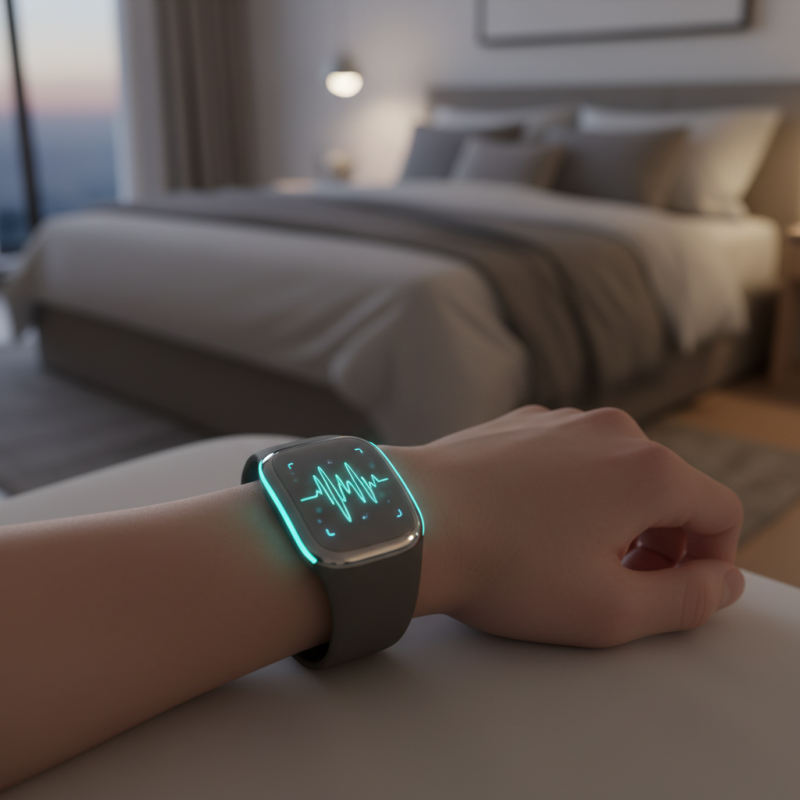
Understanding Sleep Monitoring Technology: An Overview
Sleep monitoring technology is evolving rapidly. Many devices now track sleep patterns, heart rates, and breathing. These tools offer insights into sleep quality and duration. They often use sensors and algorithms to analyze biological data. However, not all technologies are created equal. It is essential to evaluate their reliability and accuracy.
Tips: Prioritize devices with clinically validated features. Check user reviews and expert opinions before purchasing. A device may look high-tech but could underperform in real-world conditions.
Users may find themselves overwhelmed by data. It's easy to misinterpret sleep metrics if you're not familiar with them. Remember, correlation does not imply causation. Just because you slept poorly one night does not mean a faulty device is to blame. Evaluate trends over time instead.
Tips: Keep a sleep journal alongside monitoring devices. Note any lifestyle changes, stress factors, or routines. This will provide helpful context when analyzing your sleep data. Balance technology with personal insights for a clearer picture of your restful nights.
Sleep monitoring technology offers various devices to track sleep patterns. These tools can help improve overall health and well-being. Understanding features and types can make a difference in sleep quality.
Wearable devices are among the most popular options. They typically include fitness trackers or smartwatches. Users can monitor heart rate variability, sleep duration, and stages of sleep. Some may feel overwhelmed by the data these devices provide. It can be hard to interpret and act on information. A more intuitive approach is necessary for better usability.
Non-wearable devices also have their place. These can include under-mattress sensors or dedicated sleep monitors. They capture data without needing to wear anything. While less intrusive, they may not provide as much detail. Users might find them convenient, but accuracy can vary. It's important to choose based on individual needs. Each type has its strengths. A device that works for one person might not suit another. Balancing technology use and sleep hygiene is key.
Sleep tracking technology has transformed our understanding of health and well-being. According to a study published in the Journal of Clinical Sleep Medicine, approximately 30% of adults struggle with sleep-related issues. This underscores the importance of monitoring sleep patterns. By utilizing sleep trackers, individuals can identify disruptions and patterns in their sleep cycles. Such data helps in recognizing underlying issues like sleep apnea or insomnia, leading to timely interventions.
Recent reports show that consistent tracking can improve sleep quality by over 20%. Users can analyze their sleep stages and duration. They start to see what affects their rest. Factors like diet, stress, and daily routines offer valuable insights. However, relying solely on technology can be misleading. Many trackers have limitations, sometimes producing inaccurate data. This calls for a careful approach, where users combine tech feedback with personal observations.
Engaging with sleep tracking can foster greater awareness of our resting habits. A survey by the National Sleep Foundation indicates that people who monitor their sleep are 50% more likely to make positive lifestyle changes. Adopting better habits may enhance overall health, yet it requires self-reflection and adjustment. Balancing technology with personal insights is vital for achieving the best sleep outcomes.
| Technology Type | Key Features | Health Benefits | Price Range |
|---|---|---|---|
| Smart Sleep Trackers | Heart rate monitoring, sleep stage analysis, smartphone app integration | Improved sleep quality, better understanding of sleep patterns | $50 - $300 |
| Bed Sensors | Under-mattress sensors, no wearable needed, continuous monitoring | Better sleep insights, reduced sleep disturbances | $100 - $500 |
| Sleep Apps | Sound analysis, wake-up alarms, personalized recommendations | Enhanced relaxation, tracking sleep trends | Free - $30/month |
| Smart Pillows | Adjustable firmness, embedded sensors, sleep position tracking | Improved comfort, better neck and spine alignment | $80 - $300 |
| Wearable Devices | Fitness tracking, heart rate, SpO2 monitoring | Holistic health tracking, motivation for better lifestyle choices | $100 - $400 |
Sleep analysis plays a crucial role in understanding our rest and health. Key metrics such as sleep duration, sleep cycles, and sleep quality are essential. Duration measures how long you sleep each night. Most adults need about 7-9 hours for optimal health. Tracking this metric can reveal if you consistently meet this need.
Sleep cycles involve stages like light, deep, and REM sleep. Each stage serves a different purpose. Light sleep is necessary for easy awakening. Deep sleep helps with recovery, while REM sleep supports memory and learning. Analyzing these cycles can show patterns that affect energy levels. Some might discover they wake frequently, disrupting their quality.
Sleep quality also matters. It reflects how restful your sleep is. Factors like noise, light, and stress impact this. Poor quality can lead to fatigue, affecting daily life. Reflecting on these metrics can help individuals identify areas for improvement. Addressing sleep challenges is essential for better health. Many may not realize how much their sleep habits influence overall well-being.
As we move forward in the realm of sleep monitoring technology, several trends are emerging. Wearable devices are becoming more refined, incorporating advanced sensors to track heart rate, body temperature, and even breathing patterns. These innovations provide deeper insights into sleep quality. Yet, concerns about data privacy persist. Users must navigate consent and security issues, which can overshadow the benefits of such detailed tracking.
Moreover, the integration of artificial intelligence is reshaping how we understand our sleep patterns. AI can analyze vast amounts of sleep data, offering personalized recommendations for improvement. However, the reliability of these suggestions often depends on the quality of the data collected. It's essential for users to remain critical, asking whether these algorithms truly enhance their sleep or simply add another layer of complexity.
Lastly, the industry is exploring non-invasive methods like smart bedding or ambient sleep environments. These technologies create an optimized sleeping space by adjusting temperature and light levels. Despite these advancements, the actual effectiveness often requires individual experimentation. What works well for one person may not work for another, highlighting the need for ongoing research and personalized solutions in sleep technology.
Visit the official SA government portal www.sacoronavirus.co.za to stay informed about latest COVID-19 updates. Dismiss