How to Source High Quality Amino Lysine for Global Trade?
Amino Lysine is an essential amino acid widely used in animal nutrition and global trade. Sourcing high-quality Amino Lysine can be challenging. Understanding the proper suppliers is crucial for success. The global market is filled with both opportunities and risks. Quality control plays a significant role in this industry.
When looking for reliable sources, it is important to consider various factors. Suppliers should have a proven track record in manufacturing. Transparency and testing standards must be upheld. Certifications can indicate reliability. However, not every certified supplier guarantees quality. Careful evaluation and due diligence are necessary.
A robust supply chain is key to ensuring product integrity. Establishing relationships with reputable manufacturers can lend credibility. Yet, the complexity of the market can be overwhelming. Missteps in sourcing can lead to costly consequences. Therefore, seeking expertise and verifying sources is imperative in navigating this dynamic trade landscape.
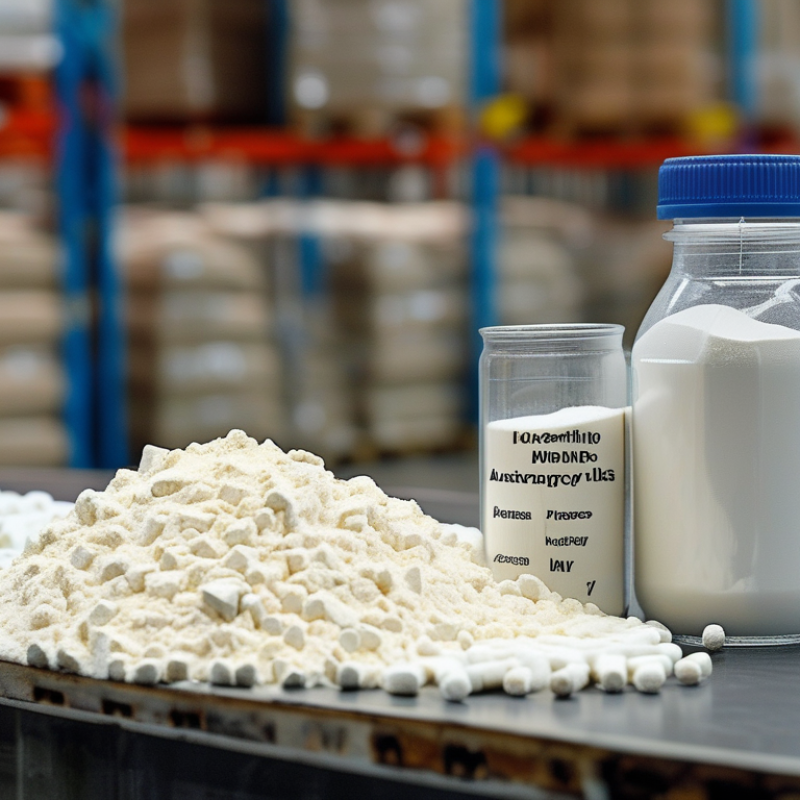
Understanding Amino Lysine and Its Importance in Global Trade
Amino lysine is a vital amino acid used in various sectors, particularly in agriculture and nutrition. Its primary role is in animal feed, where it enhances growth and feed efficiency. A report from Research and Markets indicates that the global amino acids market is projected to reach USD 29 billion by 2025, driven significantly by lysine demand.
The importance of sourcing high-quality amino lysine cannot be overstated. Poor-quality lysine can lead to suboptimal growth in livestock, increasing production costs. According to the FAO, livestock production is expected to rise by 30% by 2030. This surge in demand for animal protein will require reliable suppliers of high-grade lysine.
Challenges exist in sourcing. Variability in quality and purity can impact trade. Some reports highlight that improper storage and handling can reduce lysine’s effectiveness. Ensuring proper sourcing processes is essential. Regular audits and supplier evaluations can mitigate risks in the supply chain. Engaging with trusted suppliers enhances reliability while ensuring compliance with industry standards.
Global Trade of Amino Lysine: Export Volumes by Country
Identifying Reliable Suppliers of High Quality Amino Lysine
When sourcing high-quality amino lysine, finding reliable suppliers is crucial. The amino acid market has seen steady growth, with a report suggesting a CAGR of 4.5% from 2021 to 2028. This rising demand emphasizes the necessity of assessing suppliers effectively. Start by examining their certifications, as quality assurance is vital in this industry. Many suppliers claim to adhere to GMP (Good Manufacturing Practices), but verifying this is essential.
Look for transparency in sourcing methods. Some suppliers do not disclose their ingredient origins. This lack of transparency raises concerns about purity and quality. Peer reviews and industry reports can provide insights into suppliers’ reputations. Engage in direct communication; ask for sample products. A reliable supplier should willingly provide samples for testing.
Lastly, consider geographic location. Certain regions are known for specific amino acid production. Suppliers from these areas often have better quality control due to established practices. However, beware of over-dependence on a single supplier. Diversifying sources can mitigate risks associated with supply chain disruptions. Balancing quality, reliability, and price is key in this competitive market.
Evaluating Quality Assurance Standards for Amino Lysine Sourcing
When sourcing high-quality amino lysine, quality assurance is paramount. Buyers must assess suppliers rigorously to ensure they meet established standards. Look for certifications such as GMP (Good Manufacturing Practices) or ISO. These ratings indicate that the supplier adheres to strict processing and safety protocols.
Transparency in sourcing is vital. Suppliers should willingly share their testing procedures for amino lysine. Regular third-party testing can enhance trust. However, not all suppliers offer this level of transparency. Engaging in direct conversations can help illuminate their quality practices, but it may also reveal gaps in information.
Consider the source of the raw materials used in production. Sustainable sourcing can impact quality. A supplier's commitment to ethical practices often aligns with high-quality outputs. Yet, some could claim sustainability without clear evidence. It’s essential to differentiate between surface claims and genuine practices. Evaluating a supplier’s dedication to quality requires diligence and an eye for detail.
How to Source High Quality Amino Lysine for Global Trade? - Evaluating Quality Assurance Standards for Amino Lysine Sourcing
| Supplier Region | Quality Certification | Amino Lysine Purity (%) | Packaging Type | Minimum Order Quantity (kg) | Lead Time (Weeks) |
| North America | ISO 9001 | 98.5 | 25 kg Bag | 500 | 6 |
| Europe | GMP | 99.0 | 50 kg Drum | 1000 | 4 |
| Asia | HACCP | 97.5 | 1000 kg Bulk | 2000 | 8 |
| South America | ISO 22000 | 98.0 | 20 kg Bag | 300 | 5 |
Establishing Effective Logistics for Amino Lysine Distribution
Ensuring effective logistics for amino lysine distribution is crucial for global trade. The process requires careful planning and execution. Start by identifying reliable transport partners. Collaborate with those experienced in handling chemical goods. A strong partnership can minimize delays and ensure safety.
Establish clear communication channels with your logistics team. Regular updates help manage expectations. If issues arise, quick responses are essential. Be prepared for unexpected challenges, such as customs delays or regulatory changes. Flexibility in logistics planning allows for adaptations, which can prove invaluable.
Tips: Always have a contingency plan. This includes alternative transport routes and storage options. Conduct regular assessments of your supply chain. Knowing the strengths and weaknesses will enhance efficiency. Aim for continuous improvement. Each shipment provides insights into the logistics process. Inspect outcomes regularly, and learn from any setbacks. This reflective approach can boost future performance and reliability.
Navigating Regulatory Requirements for Global Trade in Amino Lysine
Navigating the regulatory landscape for sourcing high-quality amino lysine can be challenging. Different countries have varying standards and requirements for import and export. For instance, the European Union has strict regulations governing food additives, which can affect the availability of amino lysine in that market. According to a report by Grand View Research, the global lysine market is projected to reach USD 5.6 billion by 2027, highlighting the increasing demand for compliance and quality.
Understanding local regulations is vital. Import licenses, safety assessments, and quality certifications play significant roles in trading amino lysine. Many countries require adherence to Good Manufacturing Practices (GMP) and Hazard Analysis Critical Control Points (HACCP) protocols. Manufacturers must provide detailed documentation of their sourcing processes. This documentation ensures that products meet local safety and quality standards.
Tips: Always verify the supplier's certifications. Engage with regulatory experts familiar with regional laws. Stay updated on changes in trade policies and standards. Building strong relationships with regulators can facilitate smoother transactions. Regular audits can also identify areas needing improvement in safety and compliance practices. Consistency in these processes is crucial for maintaining product integrity in the global trade of amino lysine.