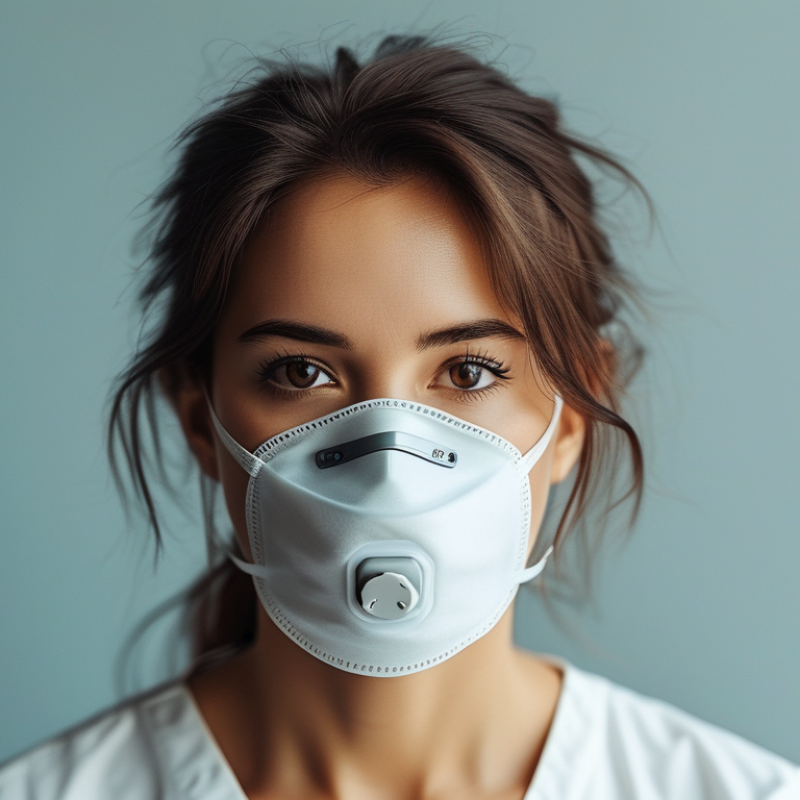
What is a Nebulizer Mask and How Does It Work?
A nebulizer mask is a vital tool in respiratory therapy. It helps deliver medication directly to the lungs. This is especially important for patients with asthma, COPD, or other respiratory conditions. The mask fits comfortably over the nose and mouth. This design allows for efficient inhalation of misted medication.
Using a nebulizer mask involves placing the device on the face and turning it on. The nebulizer converts liquid medication into a fine aerosol. This process is crucial for those who struggle with traditional inhalers. Interestingly, the effectiveness can vary. Some find it easier to use than others.
While nebulizer masks provide significant benefits, comfort is key. An ill-fitting mask can lead to a less effective treatment. It's essential for users to assess their needs carefully. Moreover, regular cleaning of the mask is necessary for safety and efficiency. These factors contribute to the overall effectiveness of the treatment.
What is a Nebulizer Mask?
A nebulizer mask is a medical device commonly used to deliver medication directly to the lungs. It consists of a mask attached to a nebulizer that converts liquid medication into mist. This mist is easy to inhale, making it effective for people with respiratory issues like asthma or COPD. According to research, approximately 15 million adults in the U.S. are diagnosed with asthma, and nebulizers can play a vital role in their management.
The mask fits snugly over the nose and mouth, allowing for efficient delivery of medication. This method of treatment provides medication in smaller particles, which can reach deeper areas of the lungs. Data shows that nebulizers can effectively alleviate symptoms during acute episodes. However, nebulizers should be used correctly to maximize their benefits.
Tips: Always ensure the mask fits well to create a seal. Poor fit can lead to medication loss, making the treatment less effective. It's also crucial to clean the nebulizer and mask regularly. Neglect can lead to bacterial growth and reduce the device's efficiency. Finally, be aware that not everyone responds the same way to nebulizers; some may experience side effects or find them uncomfortable. Understanding these factors can help improve the overall treatment experience.
Components of a Nebulizer Mask
A nebulizer mask is a device that helps deliver medication directly into the lungs. Its primary components include a mask, nebulizer chamber, and a compressor. The mask fits securely over the nose and mouth. This design ensures that patients receive the optimal dosage of medicine while breathing normally. According to the American Thoracic Society, nebulizers can be especially beneficial for children and those unable to use inhalers.
The nebulizer chamber is where the liquid medication is transformed into a mist. This process relies on the compressor, which forces air through the chamber. This airflow creates an aerosol, allowing the medication to penetrate deep into the airways. Studies show that nearly 75% of patients prefer nebulizers over inhalers due to ease of use and the comfort of delivering medication as a fine mist.
While nebulizer masks are effective, they require proper cleaning and maintenance. Neglecting regular upkeep can lead to contamination, risking the patient's health. Research by the Centers for Disease Control and Prevention highlights that improper cleaning of nebulizers can contribute to respiratory infections. Ensuring the mask fits snugly is also essential. If the mask does not fit well, it may result in an inefficient dose of medication.
How a Nebulizer Mask Works: Step-by-Step Process
A nebulizer mask delivers medication in aerosol form directly to the lungs. It is often used for respiratory conditions like asthma and COPD. Understanding the step-by-step process is essential for effective use.
The process begins with medication preparation. The liquid medication is placed in a nebulizer cup. The device converts this liquid into a fine mist. The user then wears the mask snugly over the nose and mouth. According to the American Thoracic Society, this method ensures that about 10% to 20% of the medication gets delivered effectively.
Once the nebulizer is activated, the inhalation begins. The user breathes in slowly and deeply. This allows the medication to reach the airways more effectively. Studies show that proper inhalation techniques can increase medication absorption by 50%. It is crucial to monitor the treatment duration. Treatments typically last 10 to 15 minutes, but users often rush this step. Ensuring complete medication intake is vital for achieving the desired therapeutic effects.
What is a Nebulizer Mask and How Does It Work?
| Feature | Description |
| Nebulizer Mask | A device that delivers medication directly to the lungs in aerosol form. |
| Function | Converts liquid medication into mist for easy inhalation. |
| Materials | Typically made from plastic, silicone, or rubber. |
| Usage Steps | 1. Prepare the nebulizer and medication.
2. Assemble the nebulizer mask and tubing.
3. Turn on the nebulizer to start aerosol production.
4. Place the mask securely over the nose and mouth.
5. Inhale deeply and slowly until the medication is fully delivered. |
| Cleaning and Maintenance | Masks should be washed daily with warm soapy water and rinsed thoroughly. |
| Common Conditions Treated | Asthma, COPD, cystic fibrosis, and bronchitis. |
| Benefits | Provides fast relief by delivering medication directly to the lungs. |
| Disadvantages | Less portable than inhalers and can be more expensive. |
Benefits of Using a Nebulizer Mask
A nebulizer mask is an essential tool for delivering medication directly to the lungs. It is especially beneficial for individuals with respiratory conditions such as asthma or COPD. The mask allows for effective medication absorption, leading to quicker relief. According to the American Lung Association, approximately 25 million Americans have asthma, making devices like nebulizers invaluable in maintaining respiratory health.
Using a nebulizer mask has distinct advantages. One significant benefit is enhanced medication delivery. Research indicates that nebulizers can deliver medications more effectively than inhalers, especially for those with severe breathing issues. A study published in the Journal of Aerosol Medicine showed that nebulizers can deposit up to 60% of the medication into the lungs, compared to only 10-20% with metered-dose inhalers. This improved efficacy can lead to faster symptom relief, minimizing hospital visits.
Additionally, nebulizer masks provide comfort and ease of use for patients. They are particularly useful for children or elderly individuals who may struggle with inhaler techniques. However, there are challenges. Some users may find it inconvenient to clean and maintain their nebulizers, which can lead to potential infections if not properly managed. Awareness of these details is crucial for maximizing the benefits of this device.
Tips for Proper Use and Maintenance of Nebulizer Masks
Using a nebulizer mask correctly is essential for effective treatment. Always ensure the mask fits securely on your face. An improper fit can lead to wasted medication and reduced effectiveness. It should form a seal around your nose and mouth. Take a moment to adjust the straps as necessary.
Regular cleaning of the nebulizer mask is crucial. After each use, wash it in warm soapy water. Rinse thoroughly to avoid any soap residue. Additionally, you should let the mask air dry completely after each cleaning. Neglecting this can lead to bacteria buildup, which may cause infections.
Check for any signs of wear, such as cracks or tears. A damaged mask is ineffective and can hinder your treatment. Discard and replace it if you notice any issues. Maintenance is not just about cleaning; it's about ensuring the equipment works well. Stay proactive about your nebulizer mask care to promote your respiratory health.