How to Choose a Wall Mount Exam Light in China?
Choosing the right Wall Mount Exam Light China requires more than comparing brightness and price. In a busy clinic, the fixture must illuminate a patient’s face, wound, or examination area without creating harsh shadows. It should also fit the wall structure, room size, cleaning routine, and electrical conditions.
Industry evidence supports careful evaluation. The China Health Statistics Yearbook 2024 reflects sustained demand for outpatient and primary-care services, where compact examination equipment can improve room efficiency. Global market analyses, including Grand View Research’s 2024 healthcare lighting studies, identify LED adoption, energy efficiency, and longer service life as major purchasing factors. These trends matter, but market reports often group examination, surgical, and diagnostic lights together. Their figures should guide questions, not replace technical verification.
IEC 60601-2-41 provides important safety requirements for surgical and diagnostic luminaires. Buyers should check whether a supplier clearly states applicable standards, photometric performance, electrical protection, and cleaning compatibility. Ask for test reports, certification documents, warranty terms, and installation drawings. A light that looks powerful in a catalogue may produce glare at the examination table. Not every “medical-grade” claim is equally reliable.
Practical experience also matters. Observe the arm movement, handle position, shadow control, and heat around the lamp head. Confirm whether local technicians can service the unit quickly. This guide explains how to compare specifications, suppliers, compliance evidence, and total ownership costs before selecting a Wall Mount Exam Light China solution. A perfect choice is unlikely. A documented, testable choice is better.
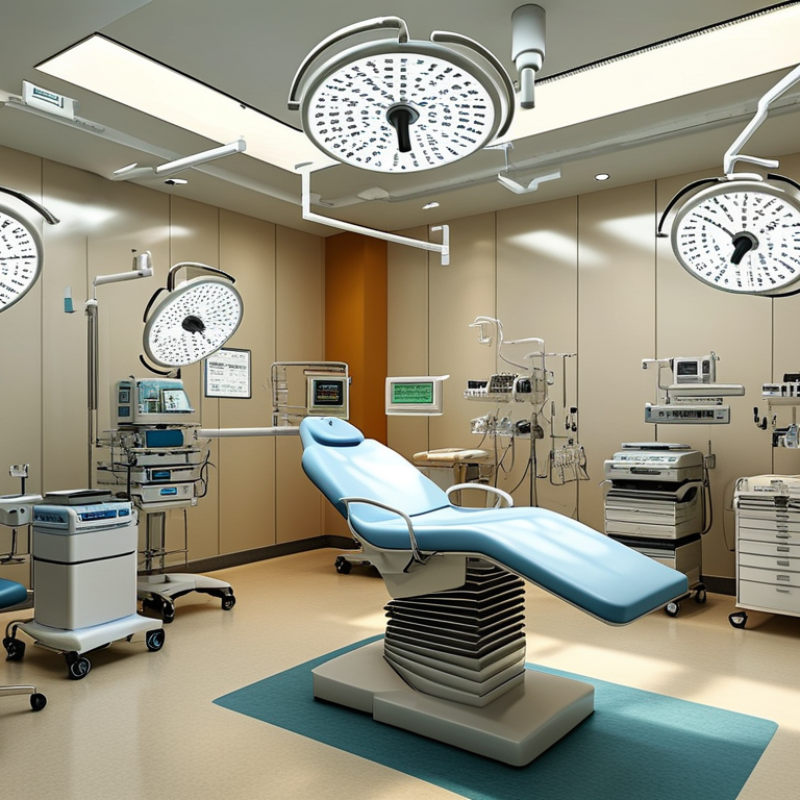
Define the Clinical Task: Exam Lights Typically Need 15,000–50,000 Lux
How to Choose a Wall Mount Exam Light in China?
Define the clinical task before comparing wall mount exam lights. Routine examinations may work well near 15,000 lux, while detailed wound care or minor procedures can require closer to 50,000 lux. Start with the task. A higher number is not automatically better. Excessive brightness may cause glare, eye fatigue, or uncomfortable reflections from moist skin and metal instruments. In practical equipment assessments, I check illumination at the working distance, not only the value printed in a brochure. Measure, do not guess.
The light should maintain stable output across the examination area. Ask suppliers for center and edge illuminance data, color rendering information, shadow control, and working distance. A clinician should also test the arm movement beside the examination table. It should reach the target smoothly without drifting or blocking staff access. Wall structure matters in China, too. Confirm the mounting method, electrical requirements, cleaning resistance, and local service response before purchase. These details are easy to overlook.
Tips: Request a real demonstration with a light meter. Test the lamp at 15,000, 30,000, and 50,000 lux settings if available. Observe skin tones, tissue detail, glare, and shadow reduction. Do not judge performance from photographs alone. A short clinical trial may reveal an awkward handle or limited reach that specifications miss.
Assess Movement and Installation: Reach, Arm Load, and Wall Structure
When choosing a wall mount exam light in China, assess movement before appearance. Measure the working distance from the wall to the patient’s face, not only the arm’s advertised length. A 900 mm reach may become 700 mm after joint clearance and cable routing. The light should move smoothly with one hand and remain stable near its full extension. It should not drift, rebound, or require shoulder-level force.
Check arm load with a simple engineering estimate. A 4 kg light at a 0.9 m reach creates about 35 N·m of static moment. With a 1.5 design factor, the wall connection should resist roughly 53 N·m, before dynamic movement. This is a screening calculation, not a structural certificate. NIOSH’s Revised Lifting Equation uses a 23 kg reference load under ideal conditions, but a lamp arm is different because leverage increases rapidly. I would not treat the lamp’s net weight as its wall load.
Wall structure deserves equal attention. Concrete, solid brick, and light-gauge partitions need different anchors and reinforcement. The 2023 FGI Guidelines emphasize coordinated medical construction and equipment support, while IEC 60601-2-41 provides safety requirements for examination and surgical luminaires. Ask the installer for substrate details, anchor type, pull-out capacity, and torque records. A site survey should include hidden pipes and cables. Small mistakes become expensive. My practical weakness is assuming a “standard wall” exists; Chinese clinics often combine masonry, hollow blocks, and renovated partitions in one room.
Evaluate Supplier Value: Warranty, Maintenance, Energy Use, and Total Cost
How to Choose a Wall Mount Exam Light in China?
Supplier value is more than the purchase price. Request a written warranty covering the LED module, driver, arm, and installation labor. A three-year warranty sounds useful, but response time matters more during clinic operation. Ask whether replacement parts are stocked in China. Confirm service procedures, technician availability, and return freight responsibilities. The U.S. Department of Energy reports that LED products use at least 75% less energy and last up to 25 times longer than incandescent lighting. This comparison is not perfect for every medical lamp, but it remains useful when evaluating halogen alternatives.
Calculate total cost over five years. A 30-watt lamp used 2,400 hours annually consumes about 72 kWh each year. Multiply this figure by your local electricity tariff, then add cleaning, calibration, repairs, and possible downtime. Ask suppliers for measured power consumption, illumination data, and photometric test reports. Also check heat near the patient and the stability of the wall arm. The International Energy Agency’s Energy Efficiency 2023 report identifies efficiency improvements as a major route to lower operating costs. Still, an efficient lamp with poor mechanics may become expensive. I have seen buyers focus too heavily on wattage. That mistake deserves attention.
Tips: Compare three written quotations. Request a five-year cost sheet. Check warranty exclusions carefully. Ask for a sample installation before ordering many units. Keep records of service calls, because promised savings can look different after real clinical use.
How to Choose a Wall Mount Exam Light in China?
Five-Year Supplier Value Evaluation: Warranty, Maintenance, Energy Use, and Total Cost
This planning model compares three specification tiers without using company or brand names. The energy estimate assumes 8 operating hours per day, 250 days per year, five years, and electricity at US$0.12 per kWh. Maintenance is a five-year service and spare-parts allowance. A longer written warranty and lower maintenance requirement can offset a higher purchase price and reduce total ownership cost.