Choosing the right Filter Cartridge is crucial for maintaining optimal performance in various applications. Whether you use it for home water systems or industrial processes, the right filter cartridge determines efficiency. Poor choices can lead to contamination and system failures.
Understanding different filter cartridges ensures you select the best fit for your needs. Each type has unique specifications and functions. A mismatched filter may not remove impurities effectively. This can cause serious issues over time.
Investing time in research pays off. The right filter cartridge not only ensures safety but also prolongs equipment lifespan. Review product details and user experiences to guide your decision. A careful selection can save you money and time in the long run.
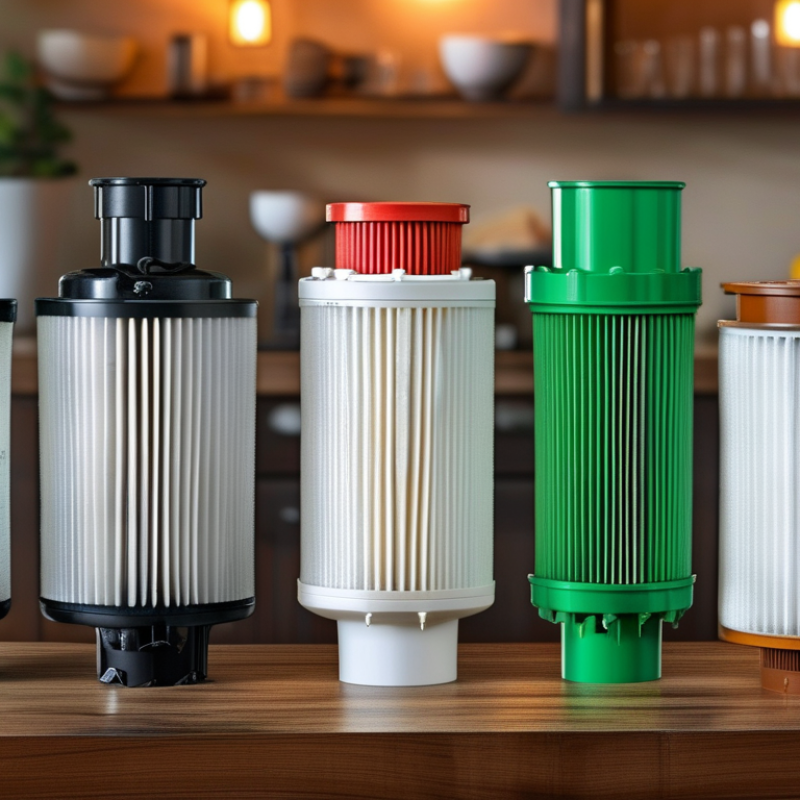
Filter cartridges play a vital role in water filtration systems. They remove contaminants, ensuring you have clean water for drinking and daily use. The right cartridge can significantly improve water quality. However, choosing the wrong one may lead to inefficiencies. It can result in poor filtration and wasted resources.
Different cartridges target specific contaminants. Some focus on chlorine, while others address heavy metals or sediments. Understanding your water's needs is essential. Without proper testing, you may overlook crucial issues. A filter might seem adequate but may not eliminate all harmful substances. It’s important to assess your water's quality before making a selection.
Installation can also be tricky. A mismatched cartridge can cause leaks or inadequate filtration. Regular maintenance is necessary. Neglecting to replace cartridges can lead to a build-up of toxins. Always check the manufacturer’s guidelines for replacement intervals. This vigilance ensures the filter operates efficiently. Ensuring quality water is a shared responsibility.
Selecting the right filter cartridge is crucial. Different types serve varied applications, impacting performance and efficiency. Common filter cartridge types include sediment, carbon block, and reverse osmosis cartridges. Each has unique properties tailored for specific needs. For instance, sediment filters effectively remove larger particles like sand and silt, an essential requirement for municipal water systems.
In the context of health and safety, studies emphasize that 70% of households prefer granular activated carbon cartridges for their ability to improve taste and odor. Carbon block cartridges excel in reducing chlorine and volatile organic compounds. An annual market report indicates that carbon filter sales have increased by 15% over the past three years, reflecting a growing demand for cleaner water solutions. However, users must remember that improper installation can lead to reduced effectiveness.
Reverse osmosis systems provide advanced filtration, beneficial for removing heavy metals and nitrates. Research shows these systems can reduce contaminants by over 90%. Those who neglect regular maintenance may experience decreased water quality. It's a balance between choice and upkeep, and understanding these nuances is critical for optimal water filtration.
Choosing the right filter cartridge is crucial for effective filtration. Various factors influence your decision. Understanding your specific needs is essential. Consider the type of contaminants in your source water. For example, municipal water often contains chlorine and heavy metals. A 2022 report from the Water Quality Association highlighted that nearly 80% of water systems exceed recommended levels of certain contaminants.
Another key aspect to review is the flow rate of the filter. This determines how quickly water can be processed. A filter that is too slow may hinder daily use. The ideal flow rate depends on your household or business needs. According to recent studies, 55% of users find that flow rates significantly impact their satisfaction with water systems.
Durability and lifespan are also important. Some cartridges last only a few months, while others can last a year or more. A 2023 industry analysis indicated that longer-lasting filters usually correlate with higher efficiency. However, these may come at a higher upfront cost. Balancing cost with long-term efficiency requires careful consideration.
When evaluating options, take time to research and consult credible sources. Websites of regulatory bodies and industry leaders can provide valuable insights. A well-informed choice will significantly enhance your filtration experience.
| Filter Type | Application | Micron Size | Lifespan (Months) | Material |
|---|---|---|---|---|
| Sediment Filter | Water Purification | 5 Micron | 6-12 | Polypropylene |
| Activated Carbon Filter | Odor Removal | 1 Micron | 6-12 | Granular Activated Carbon |
| Reverse Osmosis Membrane | Water Purification | 0.0001 Micron | 24-36 | Polyamide |
| UV Filter | Microbial Control | N/A | 12-24 | Quartz Glass |
| Ceramic Filter | Water Filtration | 0.2 Micron | 12-18 | Ceramic |
Choosing the right filter cartridge is essential for optimal system performance. The correct cartridge can improve filtration efficiency. It ensures that contaminants are effectively removed, leading to cleaner output. This is particularly important in water purification and air filtration systems where quality matters. A proper filter helps in maintaining the life of the system, reducing wear and tear.
The benefits extend beyond mere functionality. Using the right filter cartridge can enhance energy efficiency. A system that operates with a suitable filter often consumes less energy. This can lead to cost savings over time. However, selecting the best filter isn’t always straightforward. It requires knowledge about system requirements and spatial constraints. Many might discover that their current choices are not the best for their needs.
Ensure you consider various factors when choosing. Filter size, material, and configuration can significantly affect performance. Taking the time to evaluate these elements can prevent long-term issues. It is not always easy to identify the perfect fit, so having a reliable source of information is critical. Regularly reassessing cartridge performance is a step many overlook. This reflection can lead to better decision-making in the future.
When selecting a filter cartridge, avoiding common mistakes is crucial for optimal performance. Many people overlook the specifications of their systems. A filter that doesn't fit properly can cause leaks or contamination. According to industry reports, approximately 25% of installations fail to meet basic compatibility requirements. Always check the dimensions and flow rates specified by your system.
Understanding the contaminants you are dealing with is essential. Some users choose a cartridge based on vague recommendations rather than their water quality analysis. Research indicates that cartridges designed for specific impurities perform significantly better. For instance, activated carbon filters are effective against chlorine, but not all cartridges can remove heavy metals. Accurate testing can guide you to the right selection.
When purchasing a filter cartridge, consider the lifespan and maintenance requirements. Many users forget that some cartridges lose efficiency over time. A filter’s performance may drop by up to 50% when it exceeds its intended lifespan. Regular checks and replacements are necessary. Reflect on your usage habits and environmental factors; they play a critical role in filter longevity.
Visit the official SA government portal www.sacoronavirus.co.za to stay informed about latest COVID-19 updates. Dismiss