How to Choose the Best NAD+ Powder Supplier?
Choosing a NAD+ Powder supplier is not a quick price comparison. A clean product page can look convincing, but it cannot replace a batch-specific certificate of analysis. Dr. Charles Brenner, a researcher in NAD+ metabolism, has described NAD as “a coenzyme, not a vitamin.” That distinction is a useful reminder: check what the material is, how it was tested, and whether the supplier can support its claims. Details matter.
A reliable supplier should provide clear specifications, lot identification, and test results that match the product being offered. Ask which laboratory performed the analysis and whether testing covers identity, purity, and relevant contaminants. Review storage and packaging information, too. A sealed, light-protective container and a stated storage range tell you more than a polished photograph. If answers are vague, pause. A low quote is not proof of quality.
This guide outlines practical checks for evaluating NAD+ Powder suppliers, from documentation and manufacturing controls to communication and consistency between batches. No single certificate guarantees a perfect product, and supplier claims deserve independent scrutiny. I would also avoid treating marketing language as evidence. That part is easy to miss. Compare the paperwork, request clarification, and keep a record of what was promised. Choosing carefully takes time, but it helps make the decision more transparent and defensible.
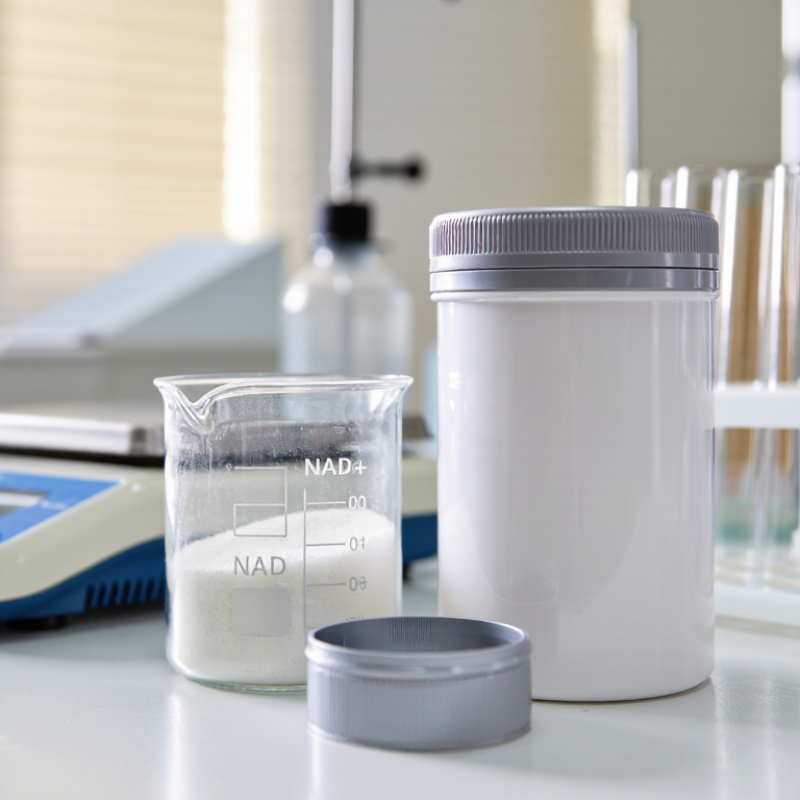
Define Your NAD+ Powder Specifications and Intended Use
Before comparing NAD+ powder suppliers, define the material’s purpose and form. A capsule blend, a drink mix, and a laboratory-use material may need different solubility, particle-size, and packaging specifications. Set acceptance limits for identity, assay, moisture, and contaminants, then request batch-specific certificates of analysis. Ask which validated method measured NAD+ content; a purity figure alone does not explain the test method or impurities. Keep samples dry and protected from light, and request stability data for the intended package and storage conditions. Small details matter.
Evidence for related ingredients should not be mistaken for evidence about NAD+ powder itself. In a 2018 Nature Communications trial, Martens and colleagues studied 24 adults taking nicotinamide riboside for six weeks; whole-blood NAD+ rose by about 60% after two weeks. That was a precursor study, not a test of oral NAD+ powder. The distinction is important. Treat such findings as context, not proof of equivalent performance.
Match supplier documents to the use case: confirm batch traceability, test dates, analytical methods, and microbial and heavy-metal results. For formulation work, request data on solubility and stability in the actual blend or beverage matrix. Some specifications may need revision after pilot batches; that is not ideal, but it is more reliable than choosing a powder from a headline purity number alone.
Verify Supplier Credentials and Manufacturing Standards
A supplier’s credentials should be verifiable, current, and relevant to the facility making the NAD+ powder. Ask for the manufacturing site’s quality certificates, their scope, and expiry dates. Check that the certificate covers the actual production location, not merely an office or distributor. A certificate alone is not proof of consistent quality. Small detail, but important.
Request a recent certificate of analysis for the specific batch you may purchase. It should identify the material and report test methods and results, not just say “passed.” Ask how the supplier confirms identity, purity, moisture, and relevant contaminants. Independent laboratory testing can add confidence, especially when the lab’s name and testing scope are disclosed. Review whether results are traceable to a batch number.
Manufacturing controls matter too. Ask how raw materials are approved, equipment is cleaned, and batches are documented. Find out how deviations and complaints are investigated, and whether records can be reviewed during an audit. Storage and shipping conditions deserve attention; powder can be affected by heat or moisture. I would not rely on a polished brochure or a quick email alone. Some suppliers may be slow to share detailed records, and that can be frustrating. Still, clear answers and consistent documentation are more useful than confident promises.
Review Product Testing, Purity Data, and Documentation
How to Choose the Best NAD+ Powder Supplier?
Review Product Testing, Purity Data, and Documentation
When comparing NAD+ powder suppliers, look beyond a headline purity percentage. A credible supplier should provide a recent, batch-specific certificate of analysis. Ask whether testing was performed by an independent laboratory, and request the methods used. A test result is more useful when you can see what was measured. Details matter.
Review the certificate for batch number, test date, identity results, purity data, and contaminant screening. Check that the reported methods suit the measurements; purity figures can vary with the method. Ask how samples are handled and whether storage guidance is supported by stability data. I would not treat a neat PDF as proof. It may still leave important questions unanswered.
Tips: Request a sample report before placing an order. Compare its batch details with the product label, and keep the records. If a supplier cannot explain a result in plain language, ask again before relying on it.
How to Choose the Best NAD+ Powder Supplier?
Review product testing, purity data, and documentation
Use this checklist when reviewing a supplier. A value of 1 means the item is evidence to request for the relevant batch; it does not indicate that any supplier has passed testing. Confirm NAD+ identity and purity with appropriate analytical data, and review risk-based safety tests and batch-specific documentation. Requirements can vary by intended use and jurisdiction.
Compare Pricing, Lead Times, and Supply Reliability
How to Choose the Best NAD+ Powder Supplier?
Compare the full landed cost, not just the quoted price per kilogram. Freight, sample fees, packaging, and minimum order quantities can change the calculation. Small differences matter. Request a written quote with currency, payment terms, and price validity dates. Then compare lead times, including production, testing, and dispatch—not simply the day an order is accepted. Ask for dates. A supplier should explain what happens if a batch misses its planned release window.
Reliability is harder to judge than price. Ask for recent, lot-specific certificates of analysis and details of identity, purity, and contaminant testing. Confirm that documents match the product and batch being offered. Check how the supplier tracks lots and handles damaged packaging or shipment delays. A clear contact path helps when a delivery is late. It is also reasonable to request references or a small evaluation order before committing to larger volumes. Still, a polished spreadsheet can hide a weak supply plan; verify claims and keep a backup option. If answers about stock, testing, or delivery dates remain vague, treat that uncertainty as a real cost.
Assess Communication, Support, and Supplier Risk Controls
When evaluating a NAD+ powder supplier, judge the working relationship as closely as the specification sheet. A quick reply is useful; a clear, documented answer is better. Ask who handles technical questions, how quickly they respond, and whether answers stay consistent across emails, certificates, and batch records. Details matter. Request sample documents and check whether lot numbers, test dates, methods, and storage guidance are easy to trace.
Reliable suppliers can explain how they qualify raw materials, manage deviations, and investigate test results that fall outside specifications. Ask what happens if a shipment arrives with damaged seals or a certificate that does not match the lot. Look for written procedures, named responsibilities, and a clear escalation path—not broad assurances. Good support also includes practical handling guidance, such as keeping containers dry and limiting repeated exposure to air. Small gaps happen. Notice how openly the supplier reports them and documents corrective actions.
Risk controls should also cover backup sourcing, inventory visibility, and advance notice of manufacturing or testing changes. Ask for realistic lead times and specific examples of how delays are communicated. Do not treat polished sales language as evidence. Compare response quality over several exchanges; an unanswered detail may reveal more than a polished presentation. A supplier’s limits should be clear, too. If an answer needs checking, a dependable contact will say so and follow up with a documented response.