How to Choose the Best Fruit and Vegetable Powder for Cooking?
Choosing the right Fruit and Vegetable Powder is essential for enhancing your cooking’s nutritional value and flavor. With the rise in health-conscious consumers, the market for these powders has expanded significantly. According to a report by Grand View Research, the global fruit and vegetable powder market is expected to reach $5.6 billion by 2025. This growth reflects a growing preference for convenient, nutrient-rich alternatives in the kitchen.
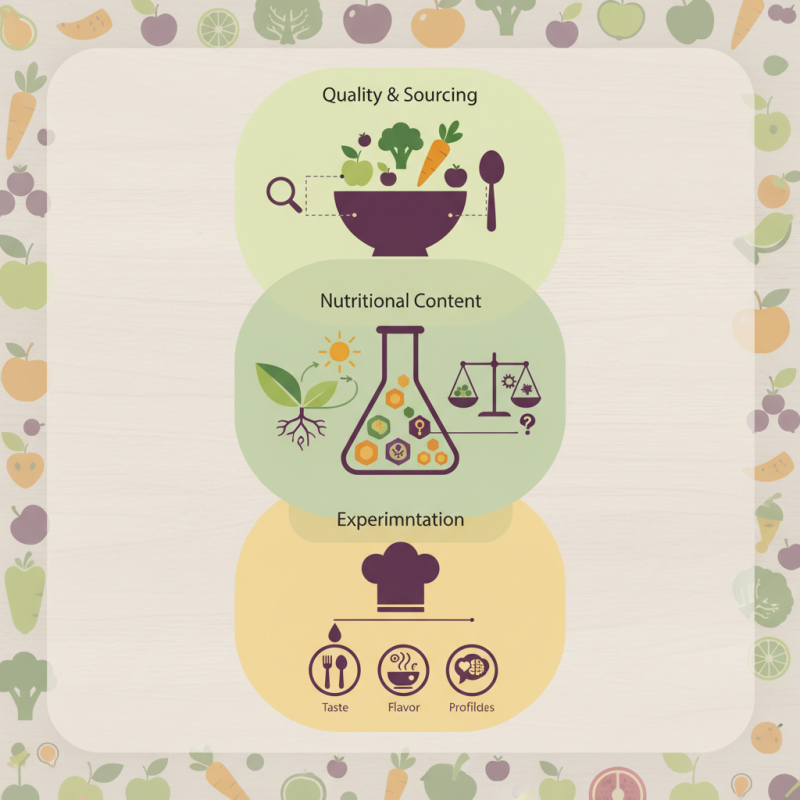
When selecting a powder, consider quality and sourcing. Not all products are created equal. Some are made from lower-quality ingredients, diminishing their health benefits. Look for brands that provide transparency regarding their sourcing and processing methods. The nutritional content can vary widely, even among similar products. Reports indicate that some powders may contain additives or less than optimal ratios of vitamins and minerals.
It’s important to experiment. Not every Fruit and Vegetable Powder will suit your palette or recipes. Take the time to find the right flavors that complement your dishes. Taste tests can reveal much about a product’s quality. You may find that certain brands excel in flavor but lag in nutrients, or vice versa. Reflection on both taste and health can elevate your cooking experience.
Understanding the Benefits of Fruit and Vegetable Powders in Cooking
Fruit and vegetable powders have become popular in cooking for good reason. They offer unique flavors and vibrant colors that can enhance any dish. These powders retain most of the nutrients found in fresh produce. However, not all powders are created equal. Some may contain additives or fillers that can affect the taste and health benefits. It’s essential to choose high-quality options that are minimally processed, as this ensures you get the most nutrients.
Using fruit and vegetable powders in cooking can be incredibly versatile. They can be easily added to smoothies, sauces, or baked goods, providing an instant boost of flavor and nutrition. For example, beet powder can add a beautiful red hue to your dishes. Spinach powder can lend a nutritious touch to pasta or bread. However, it’s important to remember that these powders are concentrated forms of food. A little goes a long way. Too much can overbear a dish or alter its natural flavor.
Experiment with different types of powders, but pay attention to how they interact with other ingredients. Sometimes, the powder may change the texture or reduce moisture content in recipes. Adjustments to liquids or cooking times may be necessary. This exploration can lead to delightful surprises, but it may also require reflection on what works and what doesn’t. Cooking with these powders can enhance your culinary skills and creativity, encouraging you to think outside the box.
Identifying Quality Indicators When Choosing Fruit and Vegetable Powders
When selecting fruit and vegetable powders, it’s crucial to identify key quality indicators. Look for powders that maintain their original nutrients. A study by the Journal of Agricultural and Food Chemistry highlights that processing methods can significantly reduce vitamins and minerals. High-quality powders retain a higher level of antioxidants, which are vital for nutritional value.
Color can be a strong indicator of powder quality. Bright, vibrant colors signal higher levels of phytochemicals. Avoid dull or faded powders, as they may indicate degradation or low-quality processing. Additionally, check for certifications like organic or non-GMO, which can provide reassurance regarding sourcing and production methods.
Tips: Always read ingredient labels carefully. Pure powders will list only the fruit or vegetable without fillers or additives. Assess the packaging for freshness indicators. Proper storage reduces exposure to moisture and light, preventing nutrient loss. Quality matters; not all powders are created equal. Regularly evaluate your choices against nutrient density and sourcing credibility.
Exploring Different Types of Fruit and Vegetable Powders Available
When choosing fruit and vegetable powders for cooking, it's essential to explore the variety available. Different types of powders offer unique flavors and nutritional benefits. For instance, spinach powder adds a vibrant green color and a boost of iron. Beet powder brings a sweet, earthy taste, perfect for smoothies and baked goods.
Each type of powder serves distinct culinary purposes. Carrot powder works well in soups and sauces, enhancing both flavor and health benefits. On the other hand, acai powder incorporates antioxidants into desserts and energy bowls. Consider how these ingredients blend with your cooking style.
Experimenting with various powders can lead to unexpected results. You may find that certain flavors do not work well together, prompting a reevaluation of your approach. Keep an open mind and take notes on combinations. This reflection allows for growth in your culinary journey.
Tips for Incorporating Powdered Ingredients into Your Recipes
When incorporating powdered fruits and vegetables into your cooking, consider the nutritional content they offer. According to a study by the Nutritional Research Institute, powdered forms retain much of the original food’s nutrients. However, some vitamins, like vitamin C, may degrade during processing. Thus, choosing high-quality powders is crucial for maximizing health benefits.
Tip: Start with a small amount of powder in your recipes. A teaspoon of powdered spinach can easily enrich a smoothie or soup. Gradually increase the amount based on taste preference and desired health benefits. Variety is essential; rotating different powders helps diversify nutrient intake and exposes you to a broader range of flavors.
Many recipes can effectively utilize these powders. For instance, mixing fruit powders into oatmeal adds both flavor and nutrition. However, remember that not all recipes require the same amount of moisture when incorporating powders. Experimenting is key. Balancing moisture levels can often lead to unexpected, yet delightful, discoveries in texture and taste.
Storage and Shelf Life Considerations for Fruit and Vegetable Powders
When it comes to storing fruit and vegetable powders, proper practices are crucial. Many people overlook how storage conditions can affect the shelf life and potency of these powders. Keep them in a cool, dry place away from sunlight to maintain their vibrant color and nutritional value. Airtight containers are an excellent choice, as they help prevent moisture and airflow that can lead to clumping.
Tips: Consider using glass jars. They are impermeable and help to avoid chemical leaching, which can occur with some plastics. Label jars with the purchase date. This practice aids in tracking freshness.
The shelf life of fruit and vegetable powders varies. Generally, they last 1-2 years if stored correctly. However, always check for discoloration or off odors before using them. These indicators can signal spoilage or a drop in quality. Relying solely on the date isn't enough; sensory checks are important.
Tips: A small scoop can help you avoid contamination from hands. That's important for maintaining quality over time. Don’t rush to use powders that seem old; trust your senses instead.