Why Are Amino Supplements Essential for Your Fitness Goals?
Amino Supplements play a vital role in achieving fitness success. Research indicates that about 68% of athletes use these supplements to support their training. They are known for their role in muscle recovery and growth. Amino acids serve as the building blocks of protein, crucial for muscle repair after intense workouts.
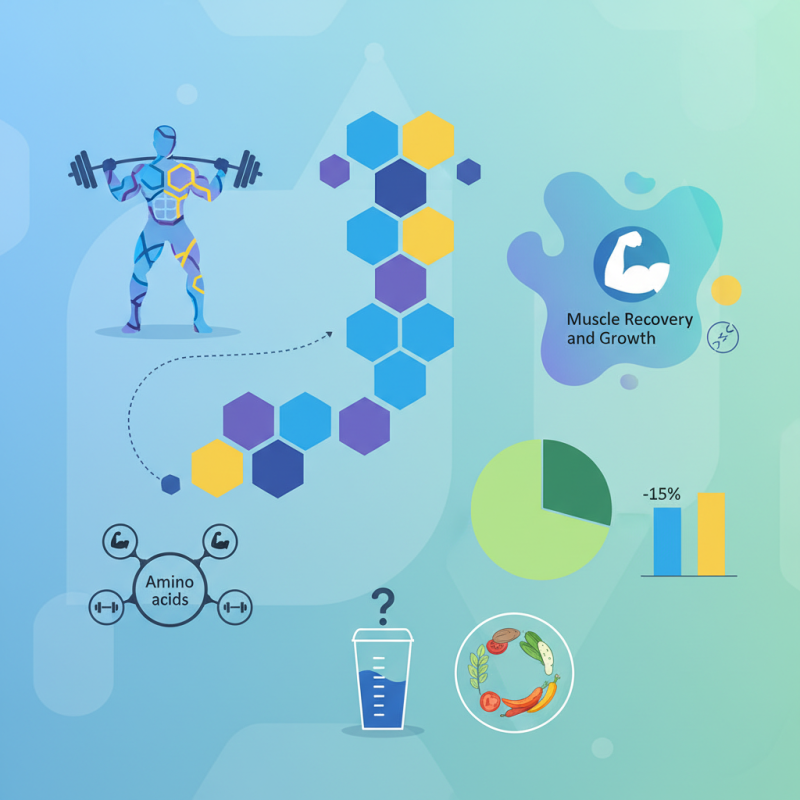
Several studies show that adequate amino acid intake can enhance athletic performance. For instance, a report from the International Society of Sports Nutrition states that branched-chain amino acids (BCAAs) can decrease exercise fatigue by 15% and reduce muscle soreness. These benefits make Amino Supplements essential for anyone serious about their fitness goals.
However, not everyone prioritizes their amino acid intake. Many fitness enthusiasts may overlook them, focusing solely on protein powder. This oversight can hinder progress. Evaluating your diet and supplementation is crucial for achieving the best results. In the world of fitness, every detail matters.
Understanding Amino Acids: The Building Blocks of Protein
Amino acids are crucial for muscle repair and growth. They are the building blocks of proteins, which are essential for any fitness routine. Without adequate amino acids, your body cannot efficiently heal after workouts. This can lead to prolonged recovery times and reduce your overall performance.
Various amino acids play unique roles in supporting your fitness goals. For instance, branched-chain amino acids (BCAAs) help reduce muscle soreness after exercise. However, many people overlook their importance. The body cannot produce nine essential amino acids, so getting them from diet or supplements is vital. This gap often leads to unfulfilled fitness aspirations.
While amino supplements can enhance performance, they are not magic pills. Over-reliance without proper nutrition may hinder progress. It's essential to balance your intake with whole foods. Reflecting on your dietary habits can lead to better outcomes. Understanding how amino acids function allows you to make informed choices for your fitness journey.
Why Are Amino Supplements Essential for Your Fitness Goals?
| Amino Acid | Function | Source | Recommended Dosage |
| Leucine | Promotes muscle protein synthesis | Meat, dairy, fish | 2-5 g per day |
| Isoleucine | Aids in muscle recovery | Eggs, nuts, seeds | 2-5 g per day |
| Valine | Supports energy production | Beans, dairy, grains | 2-5 g per day |
| Glutamine | Supports immune function | Meat, fish, eggs | 5-10 g per day |
| Arginine | Aids in blood flow and recovery | Nuts, seeds, legumes | 3-6 g per day |
The Role of Amino Supplements in Muscle Recovery and Growth
Amino supplements play a crucial role in muscle recovery and growth. They provide essential building blocks for protein synthesis. According to a recent study published in the "Journal of Sports Science," consuming amino acids post-workout can enhance muscle recovery by as much as 30%. This statistic underscores their importance in any fitness regimen.
Moreover, amino acids like leucine are particularly effective in stimulating muscle protein synthesis. Research indicates that leucine can increase muscle growth by activating the mTOR pathway. This is vital for anyone seeking to maximize their workout results. Some athletes, however, may overlook proper intake. Neglecting amino supplementation could slow recovery and reduce gains.
Incorporating amino supplements into your diet can also mitigate muscle soreness. A study highlighted in the "International Journal of Sport Nutrition" shows that athletes who consumed amino acids experienced reduced delayed onset muscle soreness (DOMS). Yet, some individuals may debate the necessity of these supplements if they consume enough protein from food sources. Balancing dietary habits with targeted supplementation may require careful consideration.
Amino Supplements and Their Impact on Muscle Recovery
This bar chart illustrates the muscle recovery score over different time intervals when amino supplements are taken. The scores represent subjective assessments of recovery, with higher scores indicating better recovery. As shown, the immediate post-workout phase sees the highest recovery scores, emphasizing the importance of amino supplements in this critical window.
How Amino Supplements Enhance Athletic Performance
Amino supplements play a critical role in enhancing athletic performance. They provide essential building blocks for muscle repair and growth. When you exercise, your muscle fibers endure stress. Amino acids help to rebuild and strengthen those fibers post-workout. This process is vital for recovery, ensuring that you can train harder next time.
Additionally, amino supplements can increase endurance. They help reduce fatigue during intense workouts. By maintaining optimal energy levels, athletes can push through challenging sessions. Some studies suggest that branched-chain amino acids (BCAAs) may even help to minimize muscle soreness. This ability to recover quickly can lead to improved training frequency.
However, it’s important to remember that supplements are just that—supplements. They should not replace a balanced diet. Real food sources of amino acids are equally crucial. As you reflect on your fitness journey, consider how your nutrition and supplements work together. Striking the right balance is essential for achieving your goals.
Choosing the Right Amino Supplement for Your Fitness Goals
Choosing the Right Amino Supplement for Your Fitness Goals requires careful consideration. Different amino acids serve unique purposes in the body. For example, branched-chain amino acids (BCAAs) can aid in muscle recovery. Glutamine supports immune health. Each supplement targets specific needs in fitness and recovery.
It's crucial to assess your goals before selecting a supplement. Are you aiming for muscle gain, endurance, or weight loss? Some amino supplements are better suited for strength training. Others assist with endurance activities. Not all supplements are created equal. Their effectiveness often depends on individual body responses.
Be mindful of your diet too. Whole foods often provide enough amino acids for most people. If you are considering supplements, consult a healthcare professional. They can guide you based on your health history. Reflect on your progress regularly. Amino supplements are tools, not magic solutions. Choose wisely for optimal results in your fitness journey.
Potential Side Effects and Considerations of Amino Supplementation
The potential side effects of amino supplementation are critical to consider. While these supplements can aid muscle recovery and growth, their misuse may lead to adverse effects. A study published in the Journal of the International Society of Sports Nutrition found that high doses can cause gastrointestinal issues, such as bloating and diarrhea. Hydration levels can also impact how well the body absorbs these amino acids.
Another concern is the impact on kidney function. Research indicates that excessive intake can strain kidneys, especially in individuals with pre-existing conditions. The Renal Association suggests that anyone with kidney issues should consult a healthcare provider before starting amino acid supplements. This caution is vital, as increased nitrogen levels from excess amino acids can be harmful.
Moreover, the long-term effects are still not firmly established. While some athletes report improved performance, evidence on long-term safety is sparse. Regular users must reflect on their overall nutrition and not rely solely on supplements. A balanced diet should remain the foundation for achieving fitness goals, with supplements acting as an adjunct. Careful consideration ensures that athletes make informed choices about their supplementation practices.